Table of Contents
Nano CBD and THC, Explained
If you’ve been trying to keep up with everything happening in hemp lately, you’re not alone. New tech, new cannabinoids, new acronyms. It’s a lot. One term you’ve probably seen floating around is nano-encapsulated CBD, and now THC too. Sounds complicated. It kind of is, but the idea behind it is actually pretty simple.
Even if you’re well-versed in extraction methods, this one can feel like a curveball. Because here’s the thing. Nano-encapsulation is not about getting CBD or THC out of the plant. It’s what happens after. Think of it as an upgrade to your extract.
There are plenty of ways to pull cannabinoids like CBD, THC, or CBG from hemp. The “best” method depends on what you care about. Purity, potency, flavor, or full-spectrum effects. But once you’ve got that extract, nano-encapsulation steps in to change how your body actually absorbs it.

What is Nano-Encapsulation?
At its core, it’s a process that takes cannabinoids and breaks them into microscopic particles, then wraps them in a layer your body can absorb more easily.
Why that matters is simple. Cannabinoids are naturally oil-based, while your body is mostly water. Nano bridges that gap.
The result is faster absorption, more consistent effects, and a smoother overall experience, especially in beverages and low-dose formats.
Translation. It hits sooner. It hits more predictably.
How Nano Cannabinoids Are Made
This is where the science comes in, but the outcome is what matters.
- Emulsification
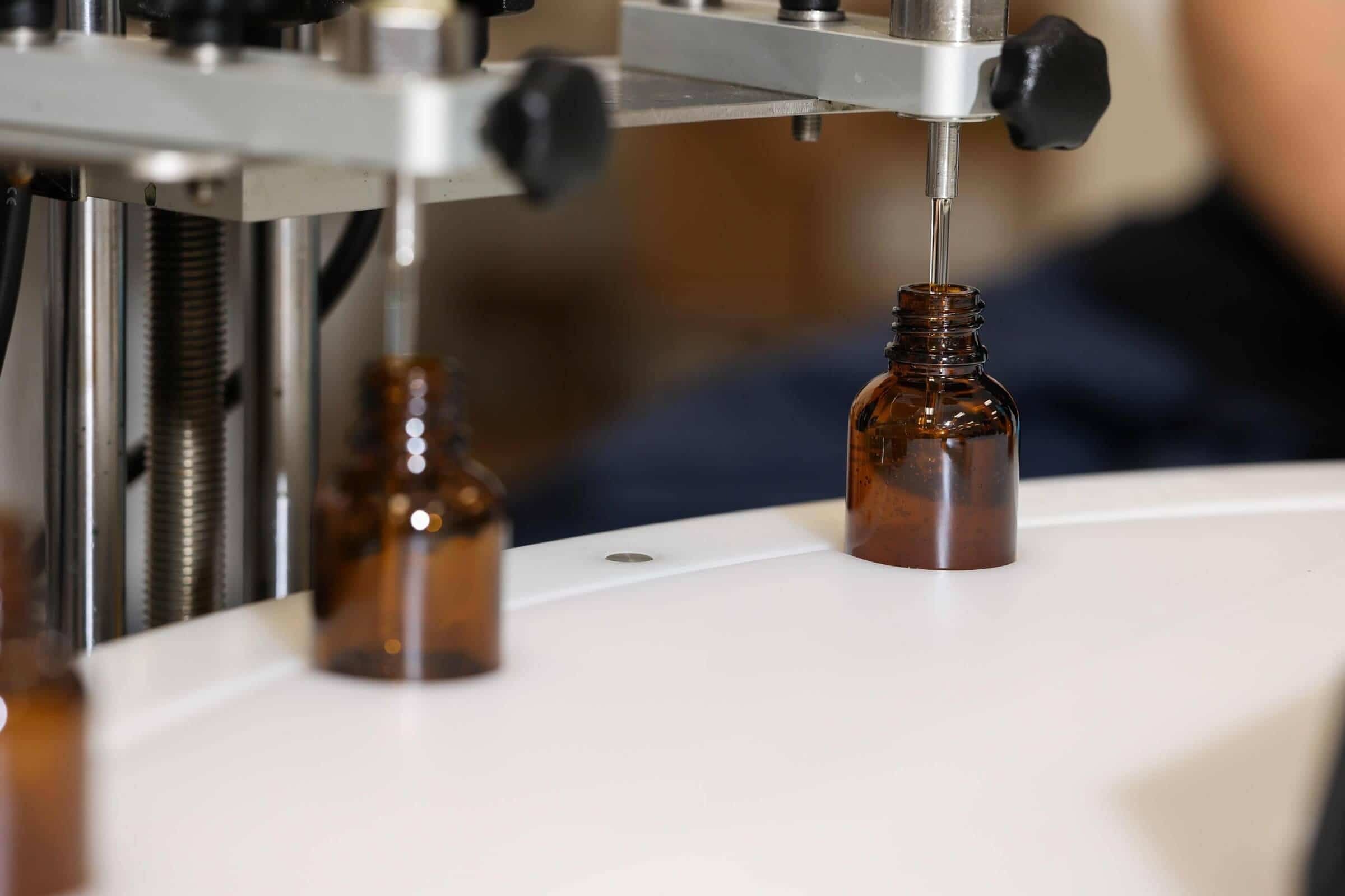
CBD or THC oil gets blended with water and emulsifiers to create a stable base. This is what makes cannabinoids play nice in beverages and other water-based formats. - High-shear Homogenization
The mixture is hit with pressure or ultrasonic waves that break the cannabinoids down into ultra-small particles. We’re talking microscopic. This is where the “nano” part really comes in. - Encapsulation
Those tiny particles are then wrapped in protective carriers like lipids or other materials. This keeps them stable and helps your body absorb them more efficiently. - Quality Control
Size matters here. Consistent particle size means consistent effects, so everything gets tested to make sure it performs the way it should. - The Payoff
You end up with a water-compatible form of CBD or THC that mixes easily, absorbs faster, and skips some of the usual delays that come with traditional oil-based formats.
Less waiting. More knowing what to expect.


Why Nano Hits Different
Traditional cannabinoids don’t dissolve in water, which is why they can be slow and inconsistent. Nano changes that.
By reducing particle size and restructuring how cannabinoids are delivered, your body can absorb more of what you take, more quickly.
That means:
- Faster onset
- Higher bioavailability
- More consistent dosing
- Better performance in drinks
Because the particles are so small, they can move through the body more efficiently and start absorbing sooner, even before digestion fully kicks in.
In many cases, you need less to feel the same effects.
Micelles vs Liposomes
Not all nano is created equal.
Micellar structures are used to encapsulate cannabinoids within tiny, single-layer spheres, creating a highly stable system that efficiently delivers active compounds.
Liposomes are another option, but they tend to be larger and more complex, which can limit how quickly and effectively they absorb.
Micelles are smaller, more stable across different conditions, and widely used in pharmaceutical applications for a reason. They get in, get to work, and deliver a more consistent experience.
Types of Nano Structures You’ll See
Different formulations use different delivery systems, depending on the goal:
- Lipid-based (liposomes) for protection and slower release
- Polymeric nanoparticles for controlled, steady dosing
- Nanoemulsions for improved mixing and absorption in liquids
- Nanocrystals for simplified formulas with high stability
Each has its place, but the goal is always the same. Better absorption and better performance.
The Benefits of Nano CBD

Nano CBD and THC are about making cannabinoids work better in your body. Faster onset. More predictable effects. Less guesswork. And when it’s done right, you feel the difference.
The Environmental Impact of Making Nano CBD
The production of nano CBD provides several environmental benefits as well. The process of advanced emulsification techniques reduces the overall amount of raw materials needed to produce high-quality CBD, helping to minimize agricultural strain. Additionally, the smaller particle size of nano CBD allows for greater bioavailability, meaning the potential doses you’d need are reduced.
Where to Find Quality Nano CBD Products
Upstate’s formulation draws on techniques used across the food and pharmaceutical industries to create stable, well-dispersed cannabinoid systems. By working with very small particle sizes, typically in the nanoscale range, our formulations are designed to support consistency, stability, and efficient dispersion in beverages.
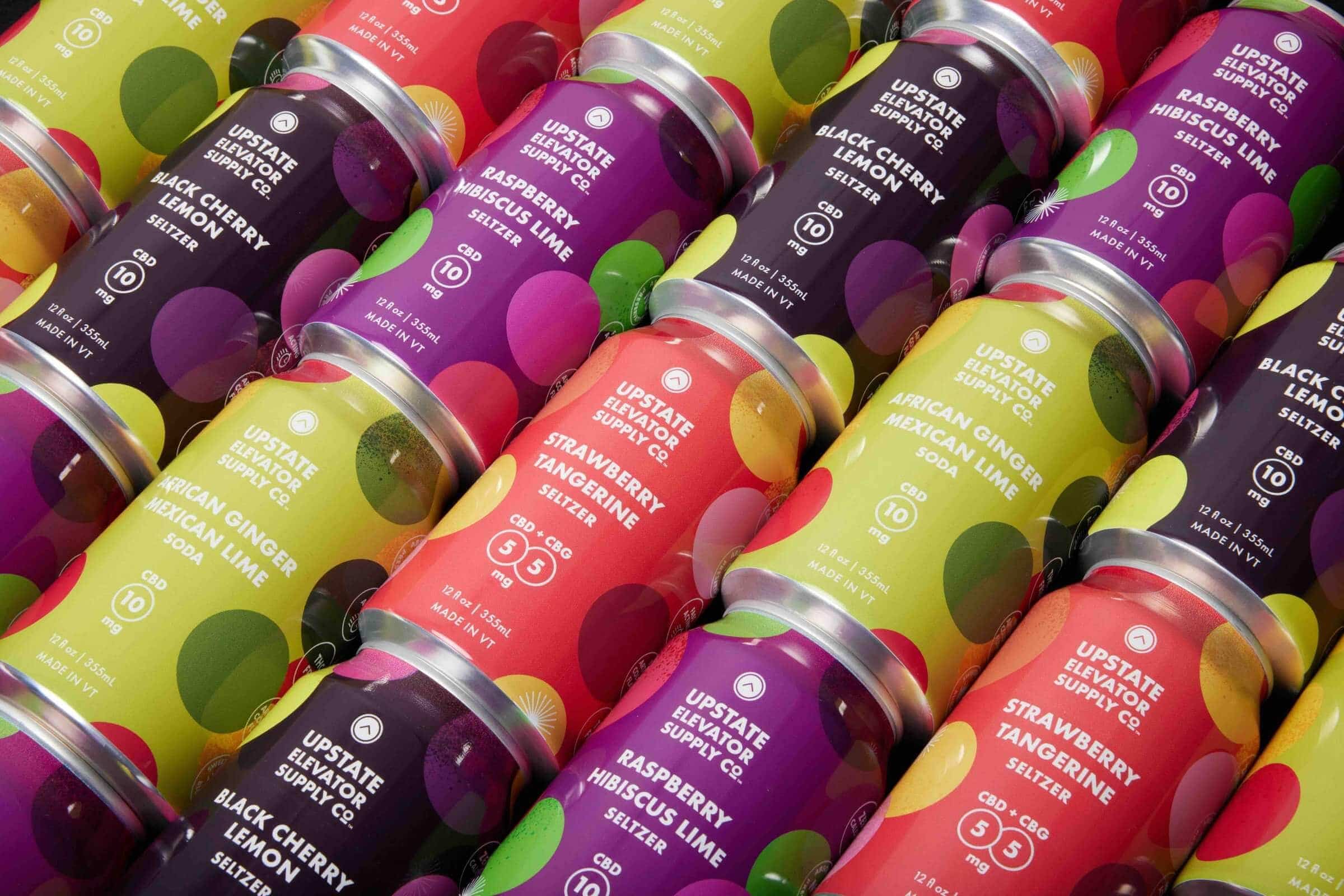
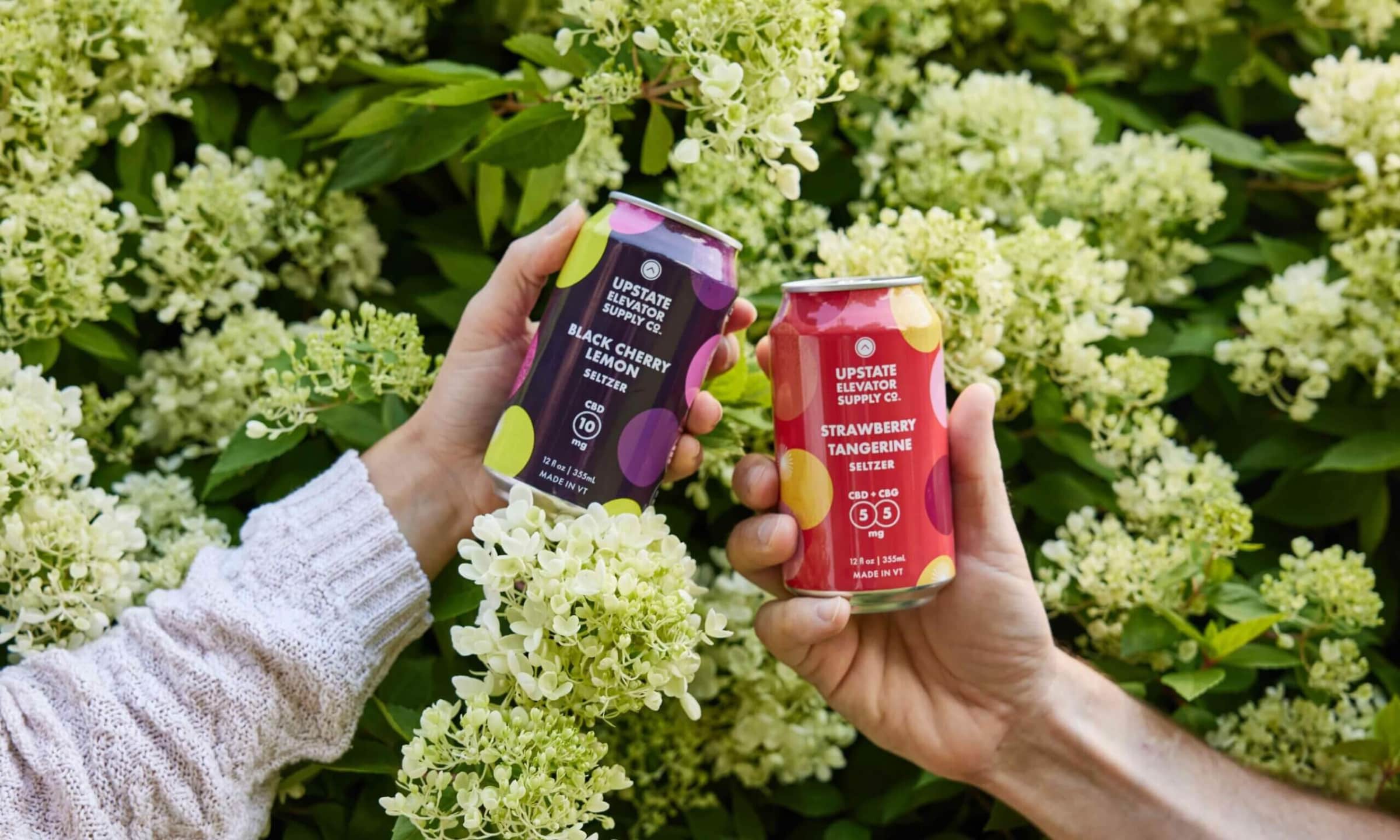
Our infused beverages utilize nano-emulsified CBD, which may allow for more efficient absorption compared to traditional formats. There are five different thc-free flavors to choose from including — our African Ginger & Mexican Lime Soda and Yuzu Lemonade Spritz sweetened with agave and the unsweetened, zero-calorie Raspberry Hibiscus Lime or Black Cherry Lemon Seltzers, and our multi-cannabinoid CBG+CBD Wild Strawberry Tangerine seltzer.
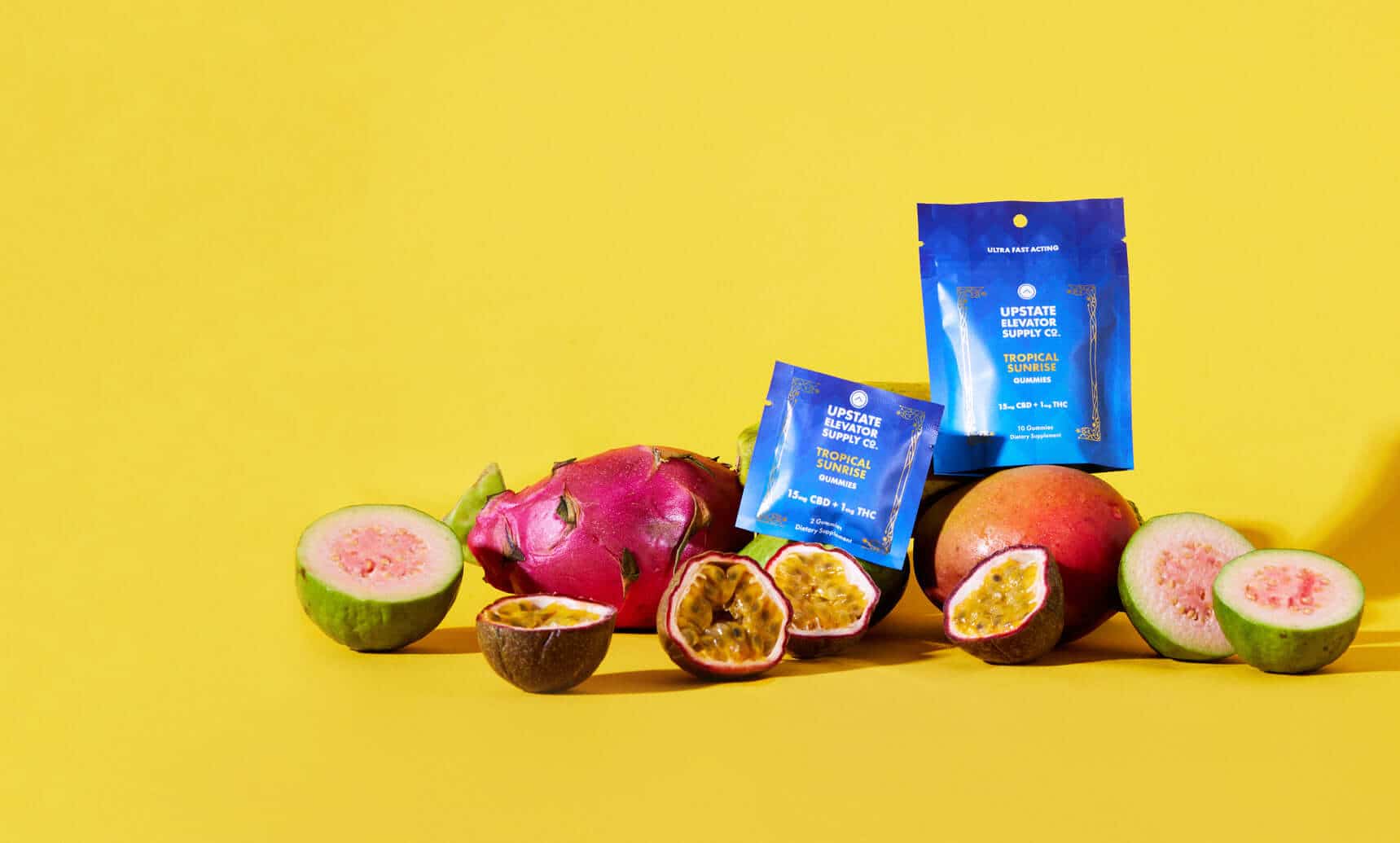
For those interested in hemp-derived THC products, explore our collection of infused beverages and gummies, designed for quick onset.